

In today’s business world, web applications and software play a pivotal role in improving the performance of organizations. These applications, which are accessible through Internet browsers, enable organizations to manage processes, store information, and communicate faster and more efficiently. This text examines the different types of enterprise web applications and their uses.
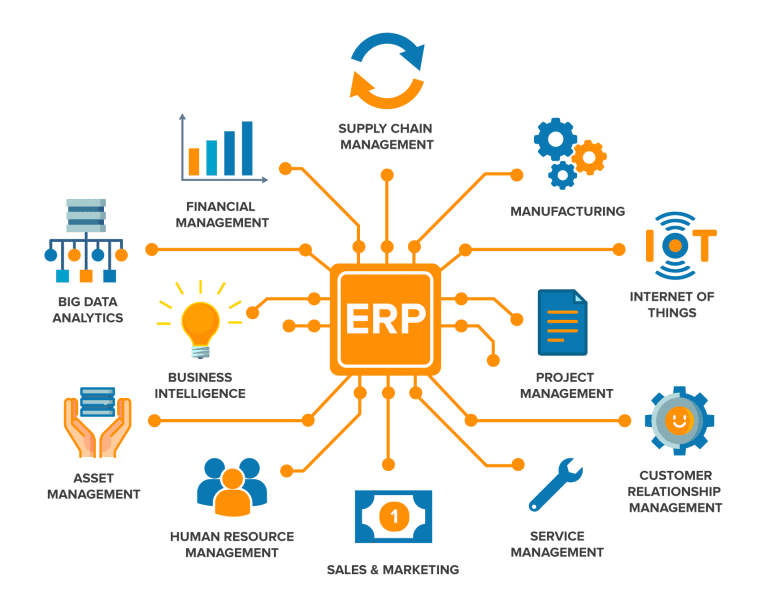
۱. Enterprise Resource Management (ERP) Programs
ERP (Enterprise Resource Planning) applications help organizations integrate all of their core processes, such as manufacturing, finance, human resources, supply chain, and project management.
Benefits and features
- Data integrity: All organizational data is stored in a central system, helping to reduce errors and rework.
Process automation: Many manual tasks such as order processing, inventory management, and financial calculations are automated.
Accurate reporting: ERP provides real-time and comprehensive reports on the organization’s performance.
Applications
- Financial Management and Accounting
Production Planning
Supply Chain Management
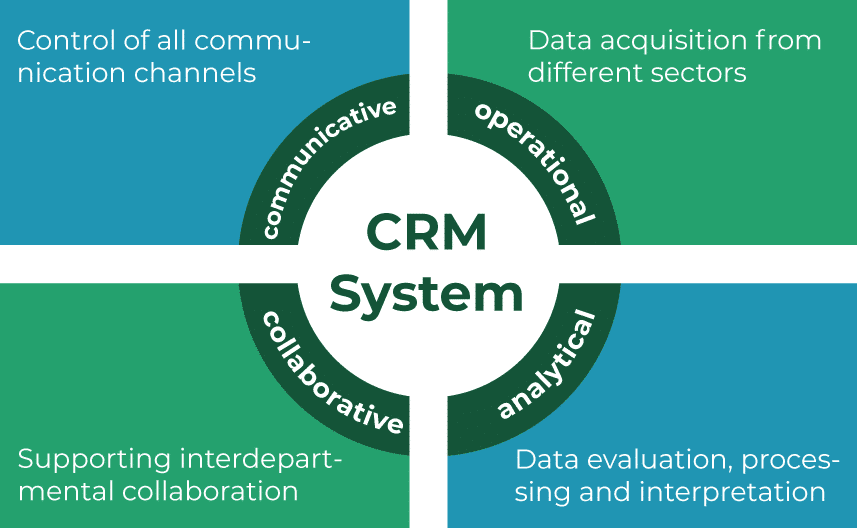
۲. Customer Relationship Management (CRM) Systems
Web-based CRM (Customer Relationship Management) applications help organizations manage their interactions with customers. These applications are designed to improve sales, marketing, and customer service.
Benefits and Features
Improved customer experience: Allows you to accurately track customer needs and problems.
Up-sell: Identify cross-sell and up-sell opportunities.
Communication management: Stores customer communication history and provides tools to manage marketing campaigns.Applications
Identify potential customers
Analyze customer behavior
Plan marketing campaigns
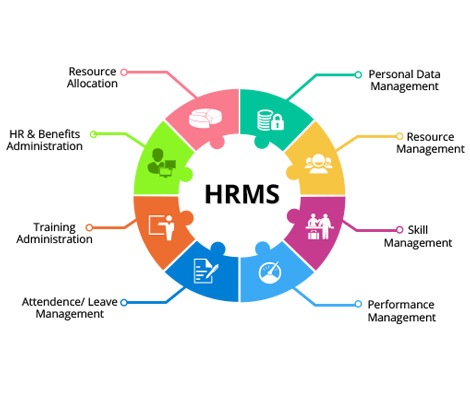
۳. Human Resource Management Systems (HRMS)
HRMS (Human Resource Management Systems) applications are used to manage the tasks related to the employees of an organization. These systems play an important role in automating the processes related to human resources.
Benefits and Features
Employee Information Management: Complete employee information including job history, training and salaries is stored in a system.
Process Automation: Tasks such as salary payment, performance appraisal and attendance management are automated.
Increased Productivity: Reduce time spent on administrative tasks.Applications
Recruitment Management
Employee Training Planning
Performance Monitoring
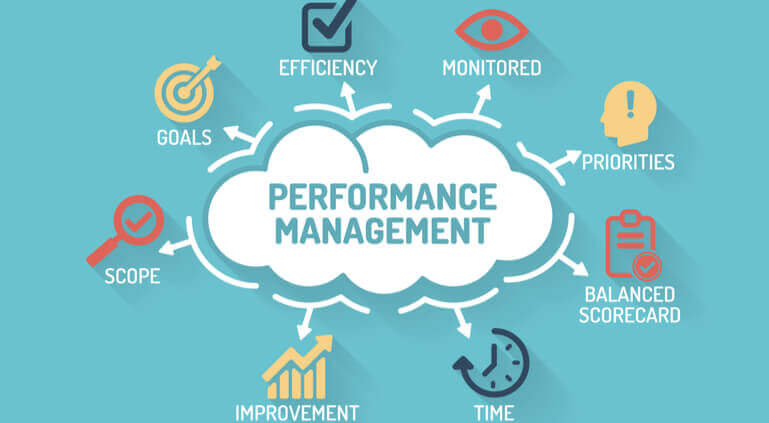
۴. Project Management (PM) Apps
These apps help teams better plan and execute projects. Web-based project management software is very useful for monitoring project progress, resource allocation, and team collaboration.
Benefits and Features
Tracking project progress: Ability to view project status in real time.
Task Management: Assign tasks to team members and monitor their completion.
Team Collaboration: Better communication between team members with chat and file sharing tools.
UsesManage large and complex projects
Improve scheduling and resource allocation
Report to managers and stakeholders
۵. Supply Chain Management (SCM) Apps
These types of web-based apps are used to monitor and manage all stages of the supply chain from sourcing raw materials to delivering the product to the customer.
Benefits and Features
Improve transparency: Ability to view the status of all stages of the supply chain.
Reduce costs: Optimize transportation processes and inventory management.
Better communication with suppliers: Track orders and payments in a timely manner.
Applications
Inventory monitoring
Order management
Improving supplier relationships
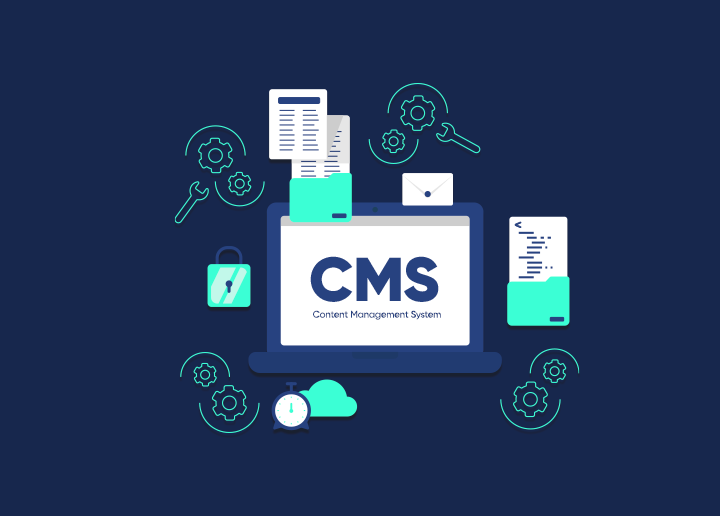
۶. Content Management Systems (CMS)
CMS (Content Management Systems) programs help organizations manage and publish their digital content. These programs are widely used to create websites, blogs, and online stores.
Benefits and Features
Easy to use: Content is created and managed without the need for programming knowledge.
Integration with other tools: Such as SEO and digital marketing plugins.
Multiple user management: Ability to assign different roles and access to users.Applications
Corporate website management
Publish marketing content
Create online stores
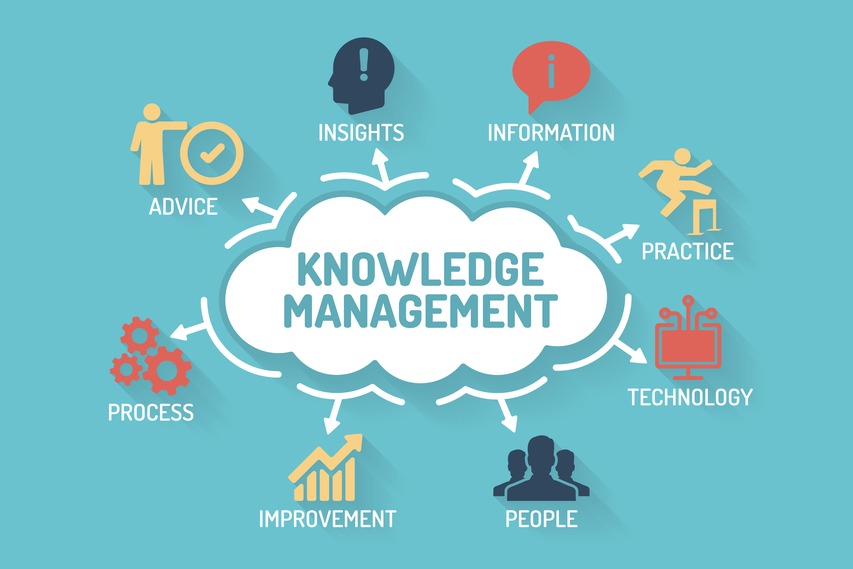
۷. Knowledge Management Systems (KMS)
KMS (Knowledge Management Systems) help organizations store, manage, and share their organizational knowledge and information.
Benefits and Features
Quick Access to Information: Employees can easily access the knowledge and information they need.
Improved Decision Making: Accurate and up-to-date information helps in better decision making.
Organizational Knowledge Retention: Important information of the organization is preserved even if employees leave.
Applications
Storage of documents and processes
Training of new employees
Sharing knowledge across teams
۸. Supplier Relationship Management (SRM) Software
These programs help in managing communications and interactions with suppliers and are designed to improve supply chain efficiency.
Benefits and Features
Improved Communications: Ensures that communications with suppliers are optimized.
Risk Mitigation: Identify and manage risks associated with suppliers.
Contract Management: Store and monitor supplier contracts.
Applications
Supplier Performance Assessment
Contract Negotiation and Management
Improving Strategic Partnerships
۹. Data Analytics and Business Intelligence (BI) Applications
These applications are used to analyze data and provide management reports. BI (Business Intelligence) provides tools that help decision makers better understand the performance of the organization.
Benefits and Features
Accurate Reporting: Provide interactive reports and visual charts of organizational data.
Trend Detection: Analyze data to identify market trends and customer behavior.
Data-Driven Decision Making: Enable more accurate decision making based on data analysis.
Applications
Sales and marketing analysis
Predicting future trends
Improving operational performance
۱۰. Enterprise communication and collaboration software
These programs are designed to facilitate internal and external communications in organizations and provide tools for managing meetings, conversations, and file sharing.
Benefits and features
Faster communications: Instant messaging and online meetings.
Increased team collaboration: Instantly share documents and files.
Tool integration: Integration with other organizational systems, such as project management.
Applications
Manage online meetings
Collaborate on team projects
Facilitate internal and external communications
Conclusion
Enterprise web applications play a key role in improving efficiency, reducing costs, and improving the performance of organizations. Choosing and implementing these programs correctly can help organizations excel in today’s competitive market. Understanding the specific needs of each organization and using appropriate programs guarantees success in managing organizational processes.
