

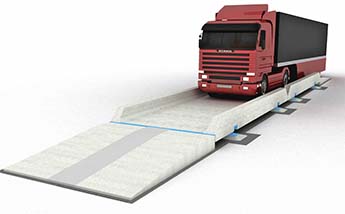
In the era of information technology and industry, improving the efficiency and precise control of weighing operations in factories and industrial units is of great importance. Smart weighing systems, by utilizing advanced technologies such as the Internet of Things (IoT), artificial intelligence (AI), and data analytics, provide the ability to measure the weight of loads with high accuracy, greater speed, and intelligent capabilities. In addition to accuracy and speed, these systems also provide capabilities such as data storage and analysis, wireless communication, automation, and web-based information.
In this article, we will examine in detail and comprehensively how to implement and launch a smart industrial weighing system in a factory. By observing the required steps and processes, factories can benefit from this system and improve their performance.
The steps for implementing and launching a smart industrial weighing system are:
۱. Needs Analysis: In this stage, the needs of the factory, including the type of loads, space and time constraints, required accuracy, and other important parameters, are identified. This analysis is the starting point for equipment selection and system design.
۲. Equipment Selection: According to the identified needs and constraints, appropriate equipment, including sensors, terminals, and other peripheral equipment, is selected. Factors such as accuracy, connectivity, stability, and durability of the equipment should be considered.
۳. System Installation and Commissioning: In this stage, the smart weighing system is installed and commissioned in the factory. This includes installing sensor equipment at weighing points, installing terminals and related devices, connecting to the information network, and testing the system’s performance.
۴. Adjustment and Calibration: After installation, precise adjustments and calibration of the system are performed. This includes setting the operating parameters of the sensors, network and connection settings, and precise calibration of the weights.
۵. Security and Protection: Protecting the smart weighing system from unauthorized access and maintaining data security are important issues. At this stage, security measures such as the use of encryption, authentication, access restrictions, and support for a monitoring and notification system should be considered.
۶. Employee Training: To effectively use the smart weighing system, employees must be familiar with the operation and use of the equipment. Appropriate training is provided to employees in this regard so that they can operate the system correctly and interpret the data.
۷. Maintenance and Support: After the system is launched, regular maintenance and technical support are essential. This includes periodic calibration checks, equipment maintenance, software updates, and technical support in case of problems.
Advantages and benefits of the smart industrial weighing system:
High accuracy in measuring the weight of loads
More speed in weighing operations
Ability to store and analyze data to improve weighing performance and processes
Ability to connect to the information network and send data to management systems
Ability to automate and reduce the need for physical access to weighing points
Improving efficiency and productivity in the factory
The importance of security and protection:
Protecting the system against unauthorized access and abuse
Protecting sensitive factory data and protecting factory privacy
Using encryption and authentication mechanisms to ensure data accuracy and security
Implementing appropriate security measures to prevent cyber attacks and system intrusion
Setting up a monitoring and notification system to quickly identify any defects or violations in weighing processes
Performing regular data backups and storing information in secure locations to prevent data loss
The smart industrial weighing system, by utilizing advanced technologies, can improve efficiency and accuracy in Weighing processes. Lian Gohran Engineering Company, with its experience and expertise in the field of weighing systems, helps factories increase their productivity and reduce costs by properly implementing and effectively setting up this system. Also, the importance of security and protection in the smart weighing system is very essential and necessary measures must be taken to protect data and the system from computer threats. Given the high potential of this system, it is recommended that factories work with consultants and specialized teams to choose the best solutions for implementing and effectively using the smart weighing system in their factory environment.
