۱. Accurate monitoring and control of processes
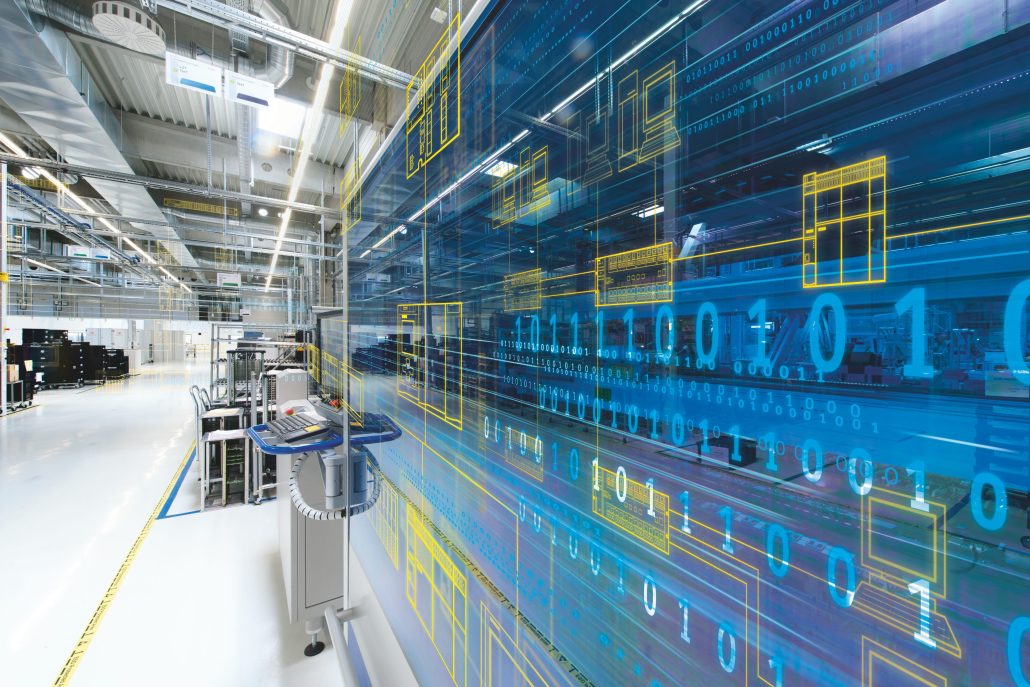
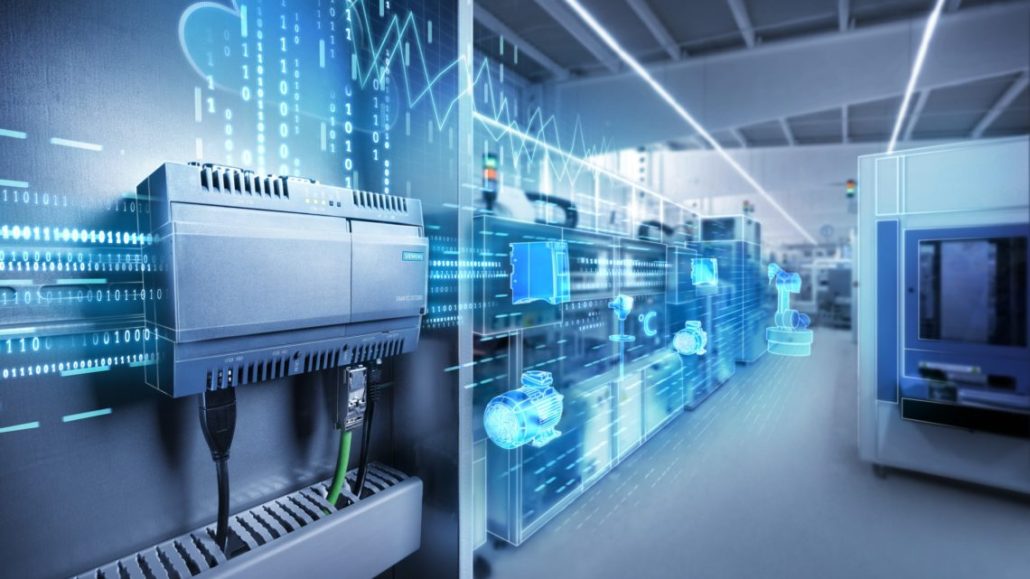
One of the main goals of SCADA systems is to accurately monitor various industrial processes. In industrial environments, especially in complex industries such as oil, gas, electricity, chemical and manufacturing, continuous management and monitoring of equipment and processes is essential. SCADA allows real-time information on the status of systems to be continuously collected and displayed. This information helps operators to observe the performance of systems in real time and take the necessary measures in case of problems.
۲. Improving efficiency and productivity
By providing accurate and real-time data, SCADA systems help managers and operators to make the best use of resources. These systems are particularly effective in optimizing production, managing energy consumption, and reducing losses. For example, in the power industry, SCADA helps network managers optimize energy consumption and prevent resource waste. Also, in manufacturing industries, SCADA can automatically adjust and optimize production processes.
۳. Cost Reduction
One of the most important benefits of SCADA systems is cost reduction through early detection of problems and prevention of breakdowns. When a SCADA system is able to identify a problem before it becomes a serious breakdown or long downtime, preventive measures can be taken that reduce repair and maintenance costs. In addition, SCADA helps reduce operating costs by optimizing energy and resource consumption.
۴. Safety and Security
In many industries, safety is of particular importance. Especially in the oil, gas, petrochemical and power industries, even the smallest failure or malfunction can lead to serious incidents. By continuously monitoring the status of equipment, sensors and systems, SCADA systems can send alerts to operators so that safety problems can be quickly identified and corrected. These alerts can include unwanted changes in temperature, pressure, flow or liquid levels that, if not controlled, can lead to dangerous incidents.
۵. Remote Management and Control
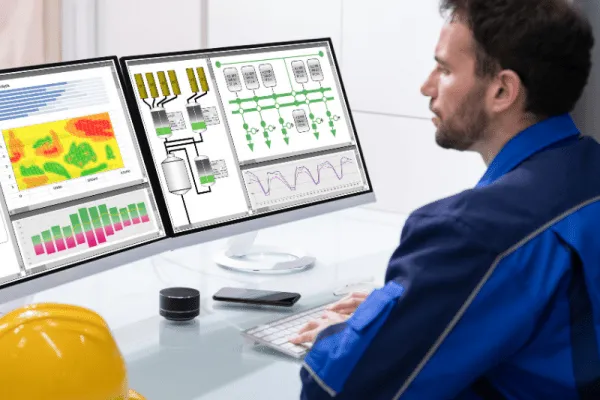
SCADA systems allow operators to remotely monitor and control processes and equipment. This feature is especially important in industries with large and dispersed processes where physical access to equipment is difficult. In emergencies or to check the status of systems in remote locations, operators can access the SCADA system from anywhere and make the necessary changes if necessary.
۶. Transparency and Accurate Reporting
By collecting accurate and continuous data from all components of industrial processes, the SCADA system provides comprehensive and transparent reports on the performance of systems. This information can include equipment status, process performance, energy consumption, and safety. With this data, managers can make better decisions and improve operational procedures. In addition, accurate and comprehensive reports on system performance are also useful for future analysis and strategic planning.
۷. Improve decision-making and planning
The real-time information obtained from SCADA systems is a very important tool for fast and effective decision-making. In various industries, managers need to be able to make the right decisions in real time to prevent larger problems from occurring. By providing timely and accurate data, SCADA systems allow managers to make quick and informed decisions in times of crisis or complex situations. This data also helps in long-term planning and predicting possible problems.
۸. Scalability and flexibility
SCADA systems are scalable, meaning they can be easily adjusted to different industries and organizations of different sizes. This feature allows SCADA systems to be used effectively by both small and large organizations. Also, these systems are flexible and can adapt to changes and new needs. For example, if an industrial company decides to expand its operations, the SCADA system can easily be expanded to cover new processes.
۹. Predictive Problems and Preventive Maintenance
One of the important features of SCADA systems is the ability to predict problems. Using data collected from sensors and systems, SCADA can analyze performance patterns and automatically send alerts that indicate potential problems. This feature helps organizations proactively maintain equipment and prevent unexpected breakdowns.
۱۰. Application in various industries
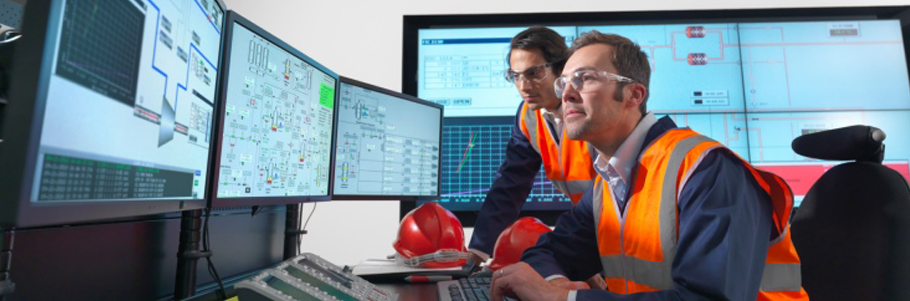
The presence of SCADA systems is essential in various industries. In the electricity, oil, gas, water and wastewater, manufacturing, chemical, and pharmaceutical industries, SCADA systems are widely used to monitor and control processes. In each of these industries, SCADA can help better manage resources, increase productivity, improve safety, and reduce costs by providing accurate and real-time data.
Conclusion
As key tools in the industry, SCADA systems have a great impact on improving efficiency, reducing costs, increasing safety, and optimally managing various processes. Given the complexity and necessity of precise monitoring in various industries, these systems are considered a vital tool in managing processes and equipment. Through the use of SCADA, organizations can effectively control and optimize their industrial processes and ultimately improve their overall performance.