
The water and wastewater industry is one of the vital and essential industries for every society. This industry is responsible for providing drinking water, managing water resources, and treating wastewater. Especially in today’s world, where we are facing numerous challenges such as water shortages and the need to optimize water consumption, the use of advanced systems to monitor and control various processes is essential.
One of the most important systems used in this industry is the SCADA system, or remote control and monitoring system. This system allows managers and operators to effectively and in real time monitor the complex processes of water supply and wastewater treatment. In this text, we will examine the importance and application of the SCADA system in the water and wastewater industry.

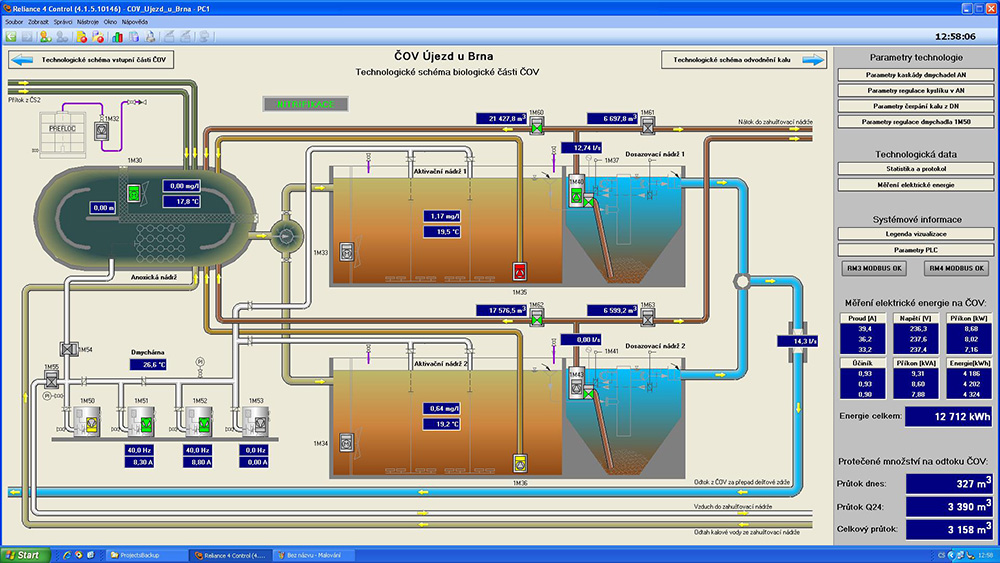
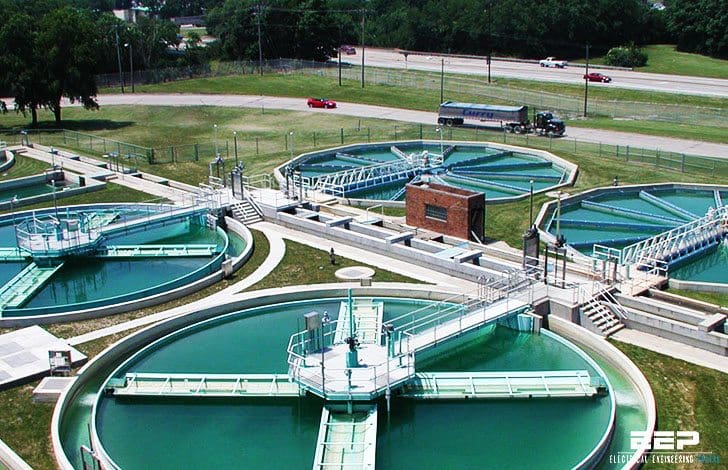
Application of SCADA system in water and wastewater:
۱. Real-time monitoring of water treatment and distribution processes
One of the main applications of SCADA systems in the water and wastewater industry is the monitoring and control of water treatment processes. In water treatment plants, SCADA systems continuously collect data such as temperature, pressure, chemical levels, and tank levels and display them to operators in real time. This information helps managers and operators monitor the status of the treatment plant and identify any changes in water quality. For example, if the chlorine level in the water exceeds the permissible limit, the SCADA system will alert and operators can take the necessary measures. This real-time monitoring is especially vital in critical situations when quick and effective decisions are needed. For example, in the event of a leak or contamination in the water, the SCADA system will quickly notify operators of this situation and they can quickly take measures such as cutting off the water flow or re-treatment.۲. Optimization of water consumption and resource management
Another benefit of using SCADA systems in the water and wastewater industry is that it helps optimize water consumption and manage water resources. Using real-time information collected by SCADA, water consumption in different urban or rural areas can be accurately measured. This information helps water and wastewater managers make more strategic decisions about water resource allocation and prevent water waste. In addition, SCADA systems can help manage water resources during peak consumption times. In situations where water supplies are temporarily depleted, these systems allow managers to intelligently control water consumption and prioritize water supply effectively.
۳. Reducing costs and optimizing processes
One of the main goals of any industry is to reduce costs and increase efficiency. In the water and wastewater industry, the costs associated with water production and distribution, as well as the costs of equipment maintenance, can be very high. By providing accurate and real-time information on the condition of equipment, SCADA systems help operators identify potential problems before serious failures occur. This leads to reduced maintenance and repair costs. SCADA can also help optimize various processes in water treatment plants and distribution networks. For example, a SCADA system can precisely regulate the flow of water in transmission lines to prevent water waste and ensure that treatment processes are carried out as efficiently as possible.۴. Increasing safety and preventing environmental problems
In the water and wastewater industry, safety and the prevention of pollution and environmental problems are of particular importance. The slightest mistake or defect in water treatment or wastewater management can lead to contamination of water resources and cause serious health problems. By continuously monitoring the performance of equipment, the SCADA system can identify potential problems and automatically warn. For example, if the level of pollutants in the water exceeds the permissible limit, the SCADA system transmits this information to the operators and informs them of the problem. These warnings allow operators to take immediate measures, such as re-treatment or shutting off the water flow, to prevent environmental and health damage. Therefore, the SCADA system can play an important role in promoting safety and preventing environmental crises.۵. Remote control and crisis management
One of the most prominent features of SCADA systems in the water and wastewater industry is the ability to remotely control them. Using these systems, operators can monitor and manage processes from anywhere they have access to the Internet. This feature is especially useful in emergency situations or in places where access is difficult. In the event of a crisis or problem in the water and wastewater network, the SCADA system allows operators to take immediate and remote corrective actions. For example, if a problem occurs at one of the pumping stations or treatment plants, operators can send the necessary command to stop or change the process from anywhere. This capability is especially important in critical situations where quick decisions are needed.۶. Wastewater monitoring and treatment
In the wastewater industry, SCADA systems can monitor not only wastewater treatment plants but also the collection, transport, and treatment processes. These systems can measure parameters such as pollutant levels, pipeline pressure, temperature, and wastewater levels, and provide alerts in the event of problems or deviations from standards. In the wastewater treatment process, SCADA systems can monitor the performance of various equipment such as pumps, filters, and chlorination devices, and recommend necessary actions in the event of potential problems. This accurate and continuous monitoring helps ensure that wastewater is treated effectively and that no pollution enters water sources.
